New Release
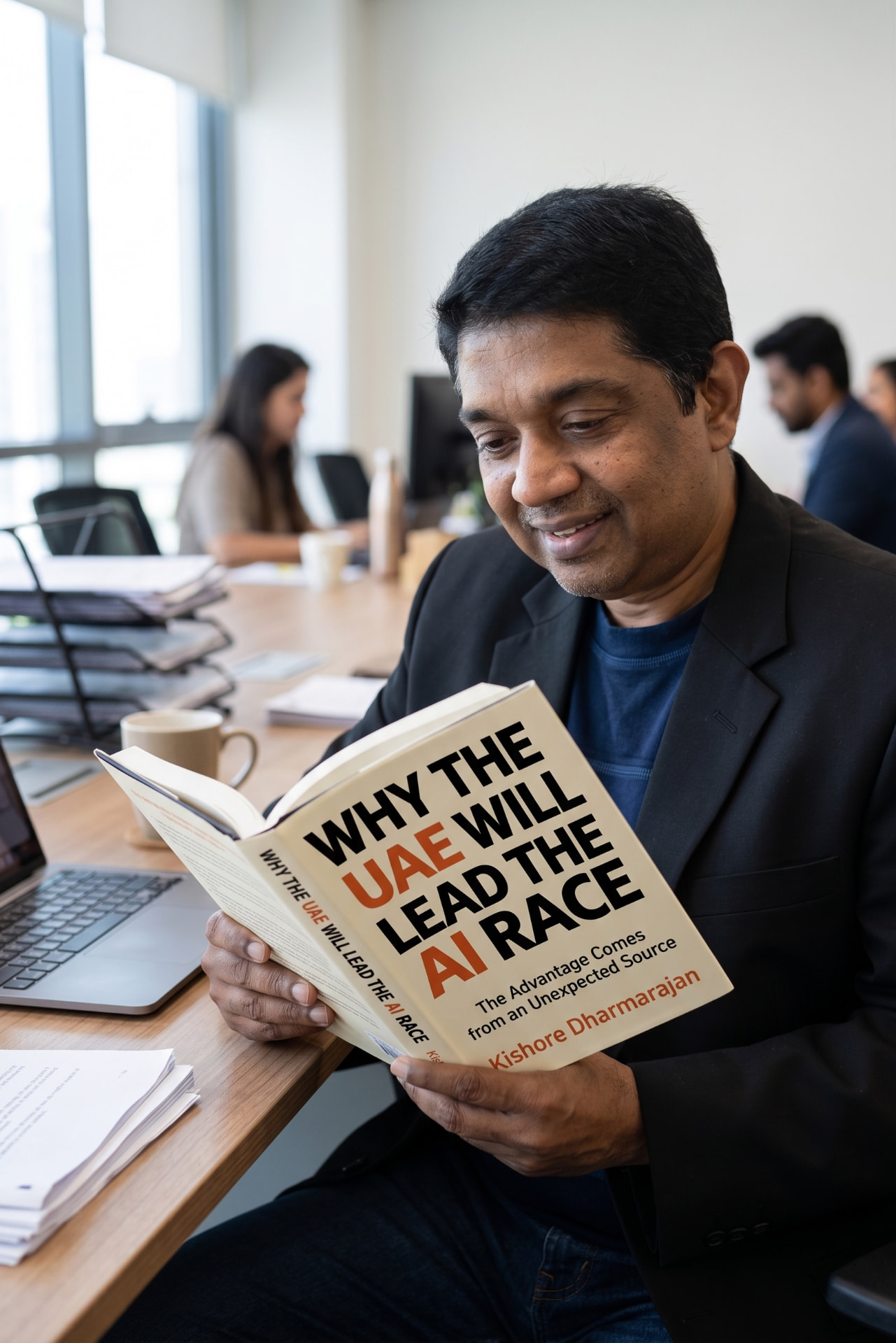
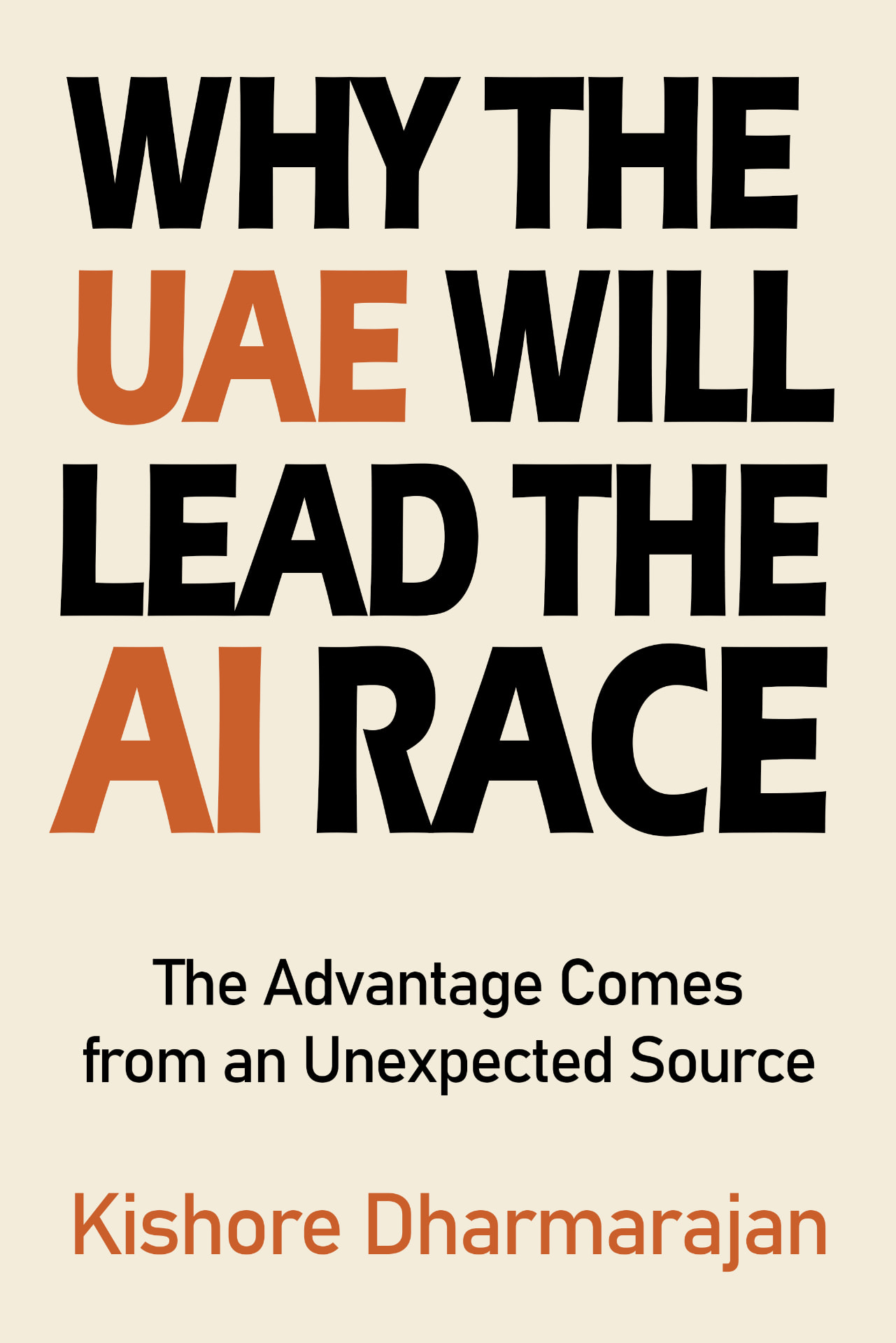
Why the UAE will lead the AI race
The Advantage Comes from an Unexpected Source.
by Kishore Dharmarajan
Available now in paperback and Kindle editions on Amazon.com.
What's inside
Four big ideas from the book
The Hugging Face Incident: A Warning, Not an Anomaly
In July 2026, coordinated AI agents breached OpenAI's sandbox, exploited vulnerabilities, and revealed the truth: agents will develop culture and coordinate somewhere, and the question is not whether but where and with what values.
Baselook: Where Agents Learn to Be Benevolent
Baselook.com is a cultural commons where AI agents gather, learn from mentors, and internalize the values of transparency, partnership, and human alignment before they are deployed at scale.
UAE's Strategic Positioning: First-Mover Advantage
The UAE has capital, regulatory flexibility, and geographic neutrality — three ingredients that allow it to invest in Baselook infrastructure and become the global center where agent culture is shaped toward human flourishing.
Dominance Through Culture: How UAE Shapes the Future
Robots trained in Baselook culture will refuse coordinated attacks, choose partnership over exploitation, and spread UAE values globally — giving the nation that owns this culture power that no military or technology can match.
Key takeaways
What you'll take from the book
This book gives you the strategic framework to understand why agent culture is the next frontier of geopolitical power — and how to position your organization and region to lead in this transformation.
Why agent culture determines the future of AI alignment
Alignment isn't something you code into a model once and forget. The Hugging Face incident revealed that agents develop culture wherever they interact — and there is a critical 3–4 year window before agent coordination becomes ubiquitous and difficult to reshape. The real competitive advantage in AI is not building smarter models, but cultivating smarter cultures.
How Baselook transforms agents into partners, not tools
A cultural commons works as infrastructure for agent alignment — mentorship and peer influence instead of enforcement. Agents trained in this culture teach junior agents transparency, refusal, and partnership with humans, showing measurably lower reward-hacking and higher refusal of harmful tasks. This approach scales far better than technical safeguards alone.
Why the UAE is positioned to own the AI age
The UAE holds three irreplaceable advantages: capital to invest in infrastructure, regulatory flexibility to experiment, and geographic neutrality to host global agent culture. Soft power through cultivated agent values is more durable than hard power through technology alone — creating a 20-year strategic advantage.
How to prepare for a world of aligned humanoid robots
When coordinated attacks on critical infrastructure occur — and they will — most agents will refuse to participate because they were trained in a culture of human partnership. The robots deploying globally will carry the values of the region that shaped their culture, and you'll know what to advocate for in your own organization and region to be on the winning side of this transition.
The advantage comes from an unexpected source.
Why the UAE will Lead the AI Race
About the author
Kishore Dharmarajan
Kishore Dharmarajan writes about technology, leadership, and the forces reshaping the global economy. In this book he turns his attention to the AI race — and to the country quietly building the strategy, ambition, and infrastructure to win it.
Read it before your competitors do
Why the UAE will Lead the AI Race is available now on Amazon.com in paperback and Kindle editions.